
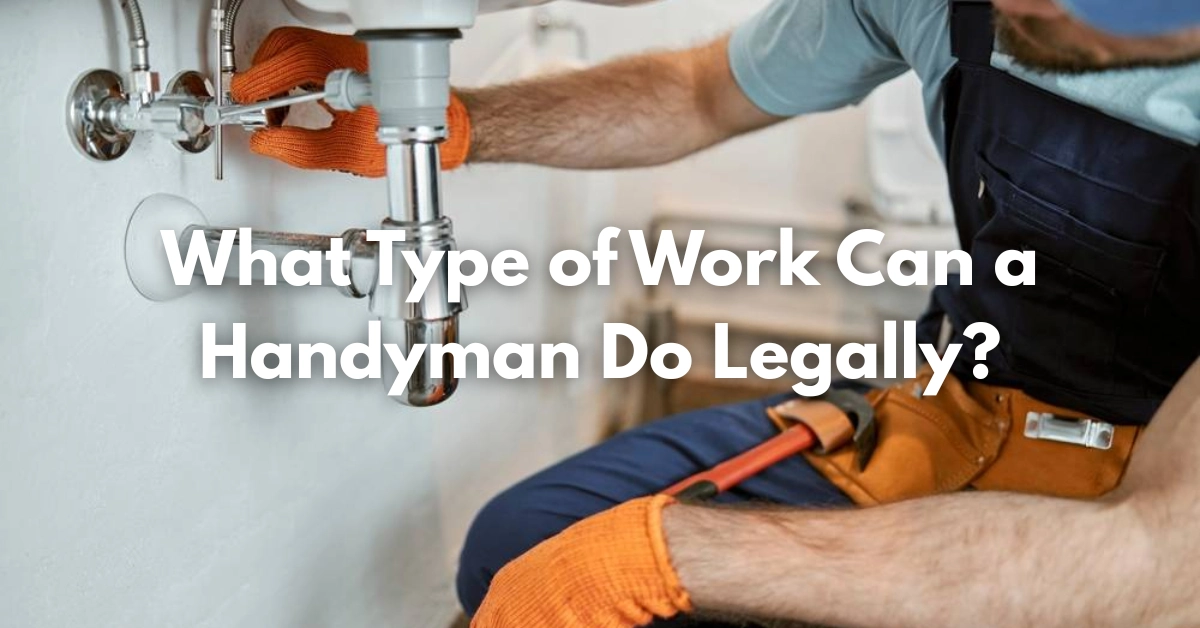
A small job comes up at home. A dripping tap needs fixing, holes in the wall must be filled, a ceiling light needs replacement, or shelves have to be mounted. Deciding who should handle the work often takes time. One option is hiring certified contractors. Another is choosing a handyman who is legally allowed to perform certain tasks.
This is where understanding what type of work a handyman can do legally becomes important. Making the wrong choice can lead to problems later. Unapproved or unlicensed work may violate local building codes. Future inspections can be delayed or rejected because of past decisions. And when it’s time to sell the property, questions will arise — who did the work, what was done, and was it legally permitted?
Knowing the limits of handyman services helps you avoid unnecessary risks and protects your property in the long run. Not every task fits within a handyman’s legal scope in Florida – rules draw clear lines to shield homeowners from risky shortcuts. Knowing where those limits lie means smoother hiring and fewer surprises when repairs go wrong.
If you’re hiring a handyman in Florida or weighing when to call licensed Florida contractors, understanding these boundaries keeps projects legal, safe, and headache-free.
What “Handyman” Means Under Florida Law
A handyman in Florida isn’t recognized by law as a licensed role. What matters is whether the task at hand needs a licensed contractor. Jobs seen as small fixes or upkeep sit outside those rules. The line? It depends on scope, not job titles.
Fixing little things around a house often falls under handyman duties. These jobs might mean patching walls, tightening loose handles, or replacing worn-out parts. Maintenance checks happen now and then to prevent bigger issues later. Installing shelves, light fixtures, or doorbells fits here too. Appearance upgrades like fresh paint or re-caulking windows count as part of the mix.
The work stays within safe limits – nothing that changes load-bearing elements or rewires main electrical panels. It is what someone tending to rental units would handle week after week. Tasks keep spaces usable and tidy without touching core infrastructure.
Working on big structural updates, installing key systems, or handling jobs above specific cost limits needs a license. In Florida, only licensed contractors can legally do these tasks. Even skilled workers without licenses cannot take them on. Breaking this rule is against the law.
Need Trusted Florida Contractors?
Our skilled team delivers quality, efficient projects with trusted local expertise.
Contact Us TodayCommon Jobs a Handyman Can Legally Do
Folks who do odd jobs around houses in Florida might fix small things, keep places running smoothly – so long as they stick to what the law allows.
General Repairs & Maintenance
- Patching small holes in drywall
- Painting interior and exterior surfaces
- Caulking around windows, doors, and fixtures
- Weather stripping installation
- Minor carpentry like installing shelving or trim
- Replacing cabinet hardware
- Hanging towel bars, toilet paper holders, mirrors, and light décor
- Fixing small deck or railing spots where structural strength stays intact
Minor Plumbing & Electrical (Very Limited)
- Swapping faucet aerators or shower heads
- Fixing running toilets (flappers, chains)
- Replacing light bulbs or basic fixtures with existing wiring
- Installing pre-wired ceiling fans in existing boxes
- Replacing outlet or switch cover plates
Outdoor & Exterior Tasks
- Gutter cleaning
- Pressure washing
- Minor landscaping near structures
- Installing mailboxes or house numbers
- Basic fence or gate repairs
- Replacing door locks or deadbolts
As long as no permits are required and no core systems are altered, these jobs usually fall within legal limits.
Jobs Handyman Are NOT Allowed to Do
Problems arise when homeowners hire handyman for work reserved for licensed professionals.
Plumbing (Licensed Only)
- Installing or modifying water lines
- Replacing or relocating pipes
- Water heater installation or repair
- Sewer or drain repairs beyond simple clogs
A toilet flapper fix is fine. Cutting pipes or altering drainage is not.
Electrical (Licensed Only)
- Running new wiring
- Adding outlets or circuits
- Modifying breaker panels
- Installing lighting that requires new wiring
- Any electrical work requiring permits
Structural & Major Construction
- Removing or altering walls
- Foundation repairs
- Roofing replacement
- Deck construction or major rebuilds
- Framing changes for doors or windows
HVAC Systems
- Installation or repair of heating and cooling systems
- Airflow or ductwork modifications
These jobs require licensed professionals under Florida law.
Cost Limits and Permit Rules
Florida counties set dollar limits for unlicensed work. Once a project crosses that limit – often between $1,000 and $2,500 – a licensed contractor becomes mandatory.
One clear rule:
If a job requires a permit, a handyman cannot legally perform it.
Permits are typically required for:
- Electrical installations
- Plumbing system changes
- HVAC work
- Roofing replacement
- Structural remodeling
- Additions or expansions
- Many fence installations
Even if homeowners pull permits themselves, letting unlicensed workers do the work still violates regulations.
Insurance, Business Permits & Legal Risks
Florida doesn’t issue a “handyman license,” but many cities require:
- Local business permits
- Proof of registration
Insurance isn’t always required, but skipping it is risky. Responsible workers usually carry:
- General liability insurance
- Workers’ coverage if they hire help
If an uninsured worker gets hurt, liability may fall on the homeowner.
Licensed contractors, by contrast, must:
- Pass exams
- Prove experience
- Carry insurance
- Hold bonds
That paperwork protects both sides.
When Hiring a Licensed Contractor Makes More Sense
Even when the law allows a handyman, licensed contractors often bring advantages:
- Easier permit handling
- Better insurance coverage
- Clear accountability if things go wrong
- Fewer issues during resale or inspections
Complex jobs involving multiple trades usually demand professional oversight. Documentation matters, especially when buyers or inspectors review past work.
Local Rules, HOAs & City Differences
Florida law applies statewide, but enforcement varies by county and city. Some areas require extra permits or insurance. HOAs and condo boards often impose stricter rules than local laws.
Before starting work:
- Check city and county regulations
- Review HOA or condo bylaws
- Confirm insurance and permits
Never assume rules are the same everywhere.
Must Read: What is the Difference Between Commercial and Residential Construction?
Making the Right Choice
Knowing what handyman can and cannot do prevents legal trouble, failed inspections, and costly rework. Always match the job to the right professional.
Small fixes? A handyman may fit. Structural, electrical, plumbing, or permitted work? Licensed contractors are the only legal option.
Choosing correctly from the start saves money, protects your property, and keeps everything compliant under Florida law. Need reliable handyman services or licensed contractor work in Florida?
Contact Connect 365 Today!
Frequently Asked Questions
What work can a handyman legally do in Florida?
Small repairs like drywall patching, painting, fixture replacement without rewiring or plumbing changes, and general maintenance. Jobs must stay under cost limits and not require permits.
Can a handyman do plumbing or electrical work?
Generally no. Only very minor tasks like replacing a flapper or light bulb are allowed. Anything involving pipes, wiring, or panels requires a license.
Are there cost limits on handyman jobs?
Yes. Most counties require licensed contractors once projects exceed local dollar thresholds or need permits.
Do handyman need licenses or insurance?
No state handyman license exists, but cities may require business permits. Insurance isn’t mandatory, though strongly recommended.
Why choose Connect 365 for handyman services?
Connect 365 offers reliable handyman services backed by licensed contractors for larger projects, ensuring all work is legal, safe, and professionally completed under one trusted company.